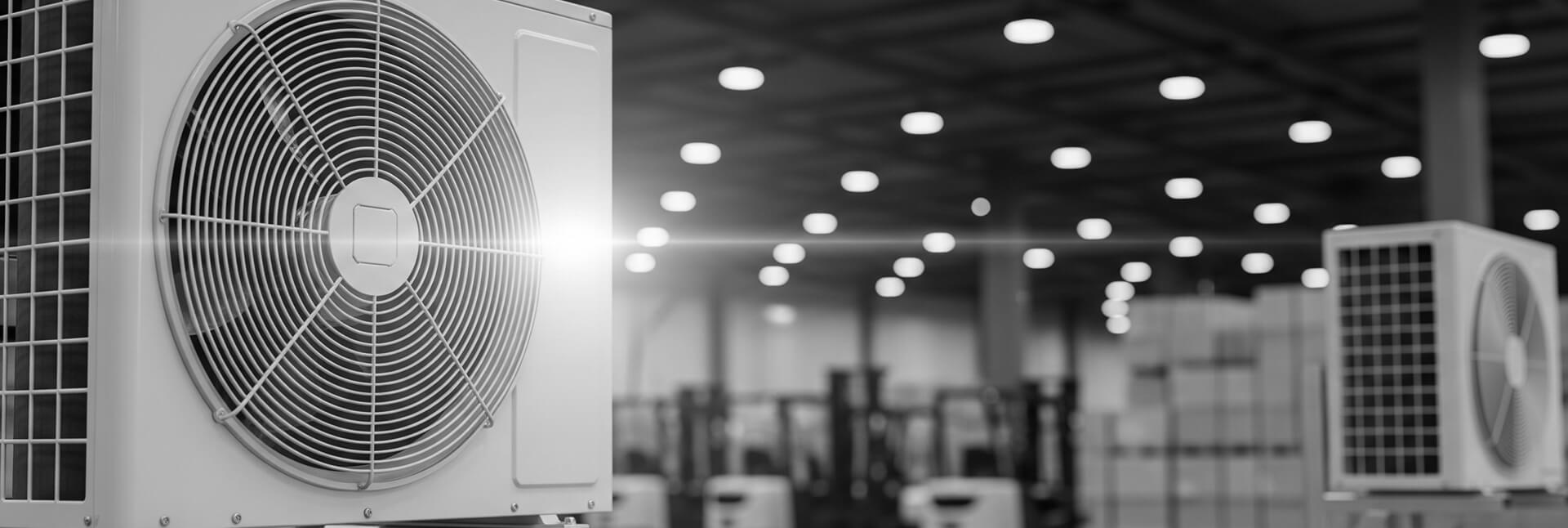



Simple seasonal maintenance tips can help improve comfort, reduce energy costs, and extend the life of your HVAC system.

Spring HVAC Maintenance Tips
Check the Thermostat
Switch your thermostat to cooling mode and test the system to make sure it responds properly and maintains the desired temperature.
Clean or Replace the Air Filter
Replace your air filter every 1-3 months to improve airflow, indoor air quality, and overall system efficiency.
Clear Debris Around the Outdoor Unit
Remove leaves, grass, dirt, and debris from around the outdoor condenser unit to help maintain proper airflow.
Summer Cooling System Maintenance Tips
Keep Vents Open and Unblocked
Make sure supply and return vents are free from furniture, rugs, or other obstructions that may restrict airflow.
Inspect the Condensate Drain Line
Flush the drain line with water and vinegar to help prevent clogs, moisture buildup, and mold growth.
Provide Shade for the Outdoor Unit
Light shade from shrubs or a canopy may help reduce heat exposure, but always leave enough space around the unit for airflow.
Winter Heating System Maintenance Tips
Schedule a Professional Heating Inspection
Fall is an ideal time to have your furnace or heating system inspected before colder temperatures arrive.
Inspect the Heat Exchange
Cracks or damage in the heat exchanger can create serious safety risks, including carbon monoxide leaks.
Test Smoke & Carbon Monoxide Detectors
Check batteries and test all detectors to help keep your home safe during the heating season.
Schedule a Professional Heating System Check
Fall is the best time to have your heating system inspected and serviced by a professional.
Summer Cooling System Maintenance Tips
Keep Outdoor Vents Clear
Remove snow, ice, and debris from intake and exhaust vents to maintain proper airflow and system operation.
Seal Drafty Windows and Doors
Weatherstripping and caulking can help reduce heat loss and improve overall energy efficiency.
Maintain Proper Humidity Levels
A whole-home humidifier can improve comfort during winter while helping your heating system operate more efficiently.
Monthly HVAC Maintenance Tips
Replace Air Filters Regularly
Routine filter changes help improve airflow, reduce system strain, and support better indoor air quality.
Keep Indoor & Outdoor Units Clean
Maintain clear space around HVAC equipment to help ensure proper airflow and system performance.
Monitor Your Energy Bills
Unexpected increases in utility costs may indicate your HVAC system needs maintenance or repair.
Listen for Unusual Noises
Banging, rattling, squealing, or hissing sounds can signal mechanical issues that should be inspected by a professional.
Trusted Brands & Certifications



Hours
24 Hours
Emergency Service

Contact us
Main: (402) 621-4911