



Commercial Plumbing Services for Bellevue – What’s Included?
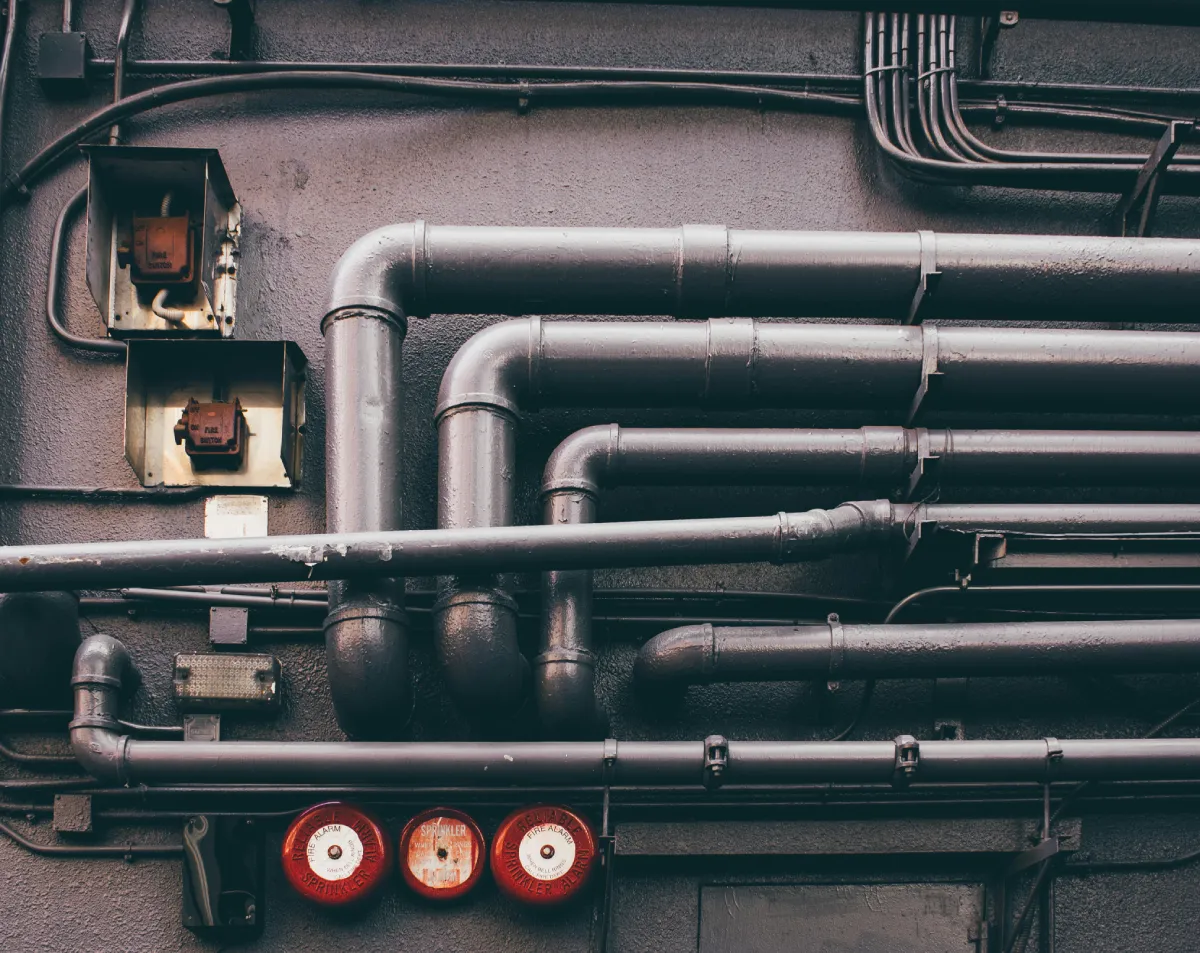
Bellevue sits on a mix of clay and loess deposits that shift with the seasons – swelling when wet, contracting when dry, and putting steady mechanical stress on everything buried beneath a commercial property. Add in Nebraska’s swing from sub-zero winters to severe summer storms, and it’s easy to see why commercial plumbing here has to cover a lot more ground than a standard repair call. When we talk to business owners and property managers in Bellevue about what a commercial plumbing contractor actually does for them, the honest answer is: more than most people expect going in.
We recently worked with a distribution facility off Fort Crook Road that had recurring backups every spring. Previous contractors had snaked the line each time and moved on. When we ran a camera through the system, we found a shifted joint about 40 feet out – soil movement from repeated freeze-thaw cycles had slowly pulled the pipe out of alignment. A snake could clear the clog, but it could never fix the cause. Once we corrected the joint and reinforced the surrounding bedding, the backups stopped. That’s the difference between a repair and a real commercial plumbing partnership: understanding what the ground underneath a Bellevue property is actually doing to the pipes running through it.
Code Compliance and Mandatory Testing
Commercial properties in Bellevue don’t have the option of treating plumbing compliance as optional paperwork – it’s tied directly to whether a business can legally stay open. Backflow prevention assemblies, for instance, require annual testing to keep contaminants from being pulled back into the potable water supply, and documentation typically has to be filed with the correct authority to keep a property in good standing. Missing that window isn’t just a fine risk; some municipalities can restrict water service until testing is current.
Food service businesses face an additional layer through the Sarpy County Health Department, which oversees grease trap sizing, drainage, and related plumbing conditions as part of food establishment licensing. A grease interceptor that’s undersized or poorly maintained can trigger a failed health inspection fast, and that’s a problem no restaurant owner wants discovered by an inspector instead of a plumber.
On top of testing and inspections, most commercial plumbing work in Bellevue, NE requires permits submitted through the city’s official channels before work begins. Pulling the correct permits, scheduling inspections, and keeping documentation organized is tedious – but a contractor who handles it as a standard part of the job, rather than an afterthought, is the one who keeps a property out of compliance trouble.
Sewer and Drainage Services Built for Local Soil
Bellevue’s clay and loess soil doesn’t sit still. It expands and contracts with moisture and temperature, and that constant movement puts real mechanical stress on buried pipes – shifting joints, cracking older clay or cast-iron lines, and slowly narrowing the flow path long before anyone notices a problem at the surface. A drain that backs up “out of nowhere” usually has a story underground that goes back months or years.
That’s why proper commercial drainage work goes well beyond a standard snake. Video camera line diagnostics let us see exactly what’s happening inside a pipe – root intrusion, a bellied section, a shifted joint – before we ever break ground, which keeps repairs targeted instead of guesswork. For heavier blockages or grease-laden commercial lines, high-capacity hydro-jetting clears buildup that a cable simply pushes through rather than removes.
Larger commercial and industrial properties also need attention paid to stormwater management and, in some cases, lift station service – systems that move wastewater uphill against gravity when a site’s grading requires it. A lift station failure during a heavy storm can shut a facility down fast, which is exactly the kind of system that benefits from routine maintenance instead of a reactive fix after the fact.
This isn’t a Bellevue-only concern, either – the same clay and loess deposits stretch across much of eastern Nebraska, so commercial properties throughout the Lincoln metro deal with the same slow-motion pressure on their underground systems.
Industrial Water Heating and Gas Infrastructure
Commercial facilities don’t run on residential-scale equipment. A hotel, hospital, or manufacturing site needs hot water in volumes and at recovery rates a standard water heater was never built to handle, and the systems behind that – commercial boilers, high-capacity water heaters, and the fuel lines that feed them – carry more risk when something goes wrong.
We’ve replaced commercial boilers in Bellevue’s older strip malls (many of them built in the 1970s and 80s with undersized systems) and seen energy bills drop by 15-20% after proper sizing. And gas line installation is its own specialized skill set entirely. Commercial kitchens, boiler rooms, manufacturing equipment, etc., often run on complex fuel distribution systems where a single miscalculation in line sizing can spell inadequate pressure or safety hazard.
All this work has no room for guesswork. A gas line that’s undersized won’t fail immediately – it’ll just underperform quietly until a piece of equipment can’t get the fuel it needs, which is a far more expensive problem to diagnose after the fact than to size correctly the first time.
Emergency Coverage and Facility Upgrades
Plumbing emergencies don’t wait for business hours, and in Bellevue’s climate, they tend to cluster around exactly the moments a facility can least afford downtime – the hardest freeze of the winter, the worst storm of the summer. A commercial plumbing contractor worth keeping on retainer has real 24/7 emergency coverage, not just an answering service that promises a callback “sometime tomorrow” – and that coverage should extend to businesses across the wider metro, not just one city, since a hard freeze or a summer storm rarely respects municipal boundaries between Sarpy, Douglas, and Lancaster counties.
Beyond emergencies, a lot of commercial plumbing work is about keeping a facility current with evolving standards. ADA restroom retrofitting is one of the most common upgrade requests we see – older commercial buildings often need updated fixture heights, clearances, and grab bar placement to meet current accessibility requirements, whether that’s prompted by a tenant change, a lease renewal, or simply catching up on deferred maintenance. These upgrades aren’t glamorous, but they protect a property owner from liability and keep a building usable for everyone who walks through the door.
Choose a Commercial Plumbing Contractor That Knows Bellevue
Grunwald Mechanical’s commitment to integrity, excellence, and safety guides every job we take on, from a single emergency service call to a full commercial mechanical build-out. If your property needs backflow testing brought current, a sewer line diagnosed, or a plumbing partner who understands what your building is up against, reach out today. We’ll walk the property, talk through what it actually needs, and build a plan around your operations, your budget, and the ground your building sits on.
We’ve been keeping businesses in the Omaha, Bellevue, and Lincoln metro areas running since 1899 – through freeze-thaw cycles, soil shifts, and the kind of summer storms that test every drainage system. We know the ground underneath your property, and we know how to keep your plumbing working through whatever Nebraska’s weather throws at it. Give us a call before the next spring melt, or at the very least, before the next backup becomes an emergency.